
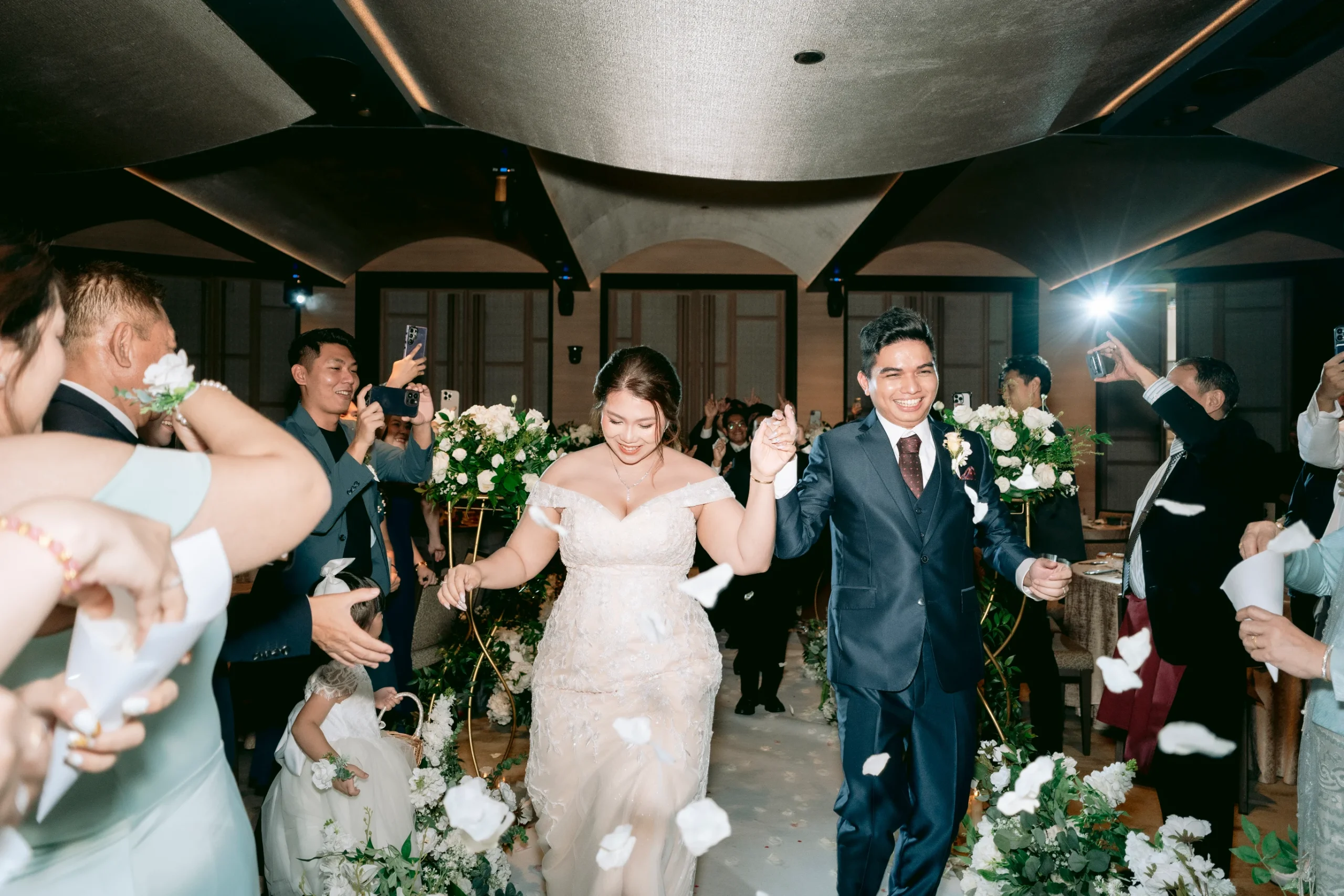
A wedding dress can look incredible on Pinterest and feel completely different once you put it on. Often, the difference is not the dress itself—it is how the silhouette, neckline, waist placement and structure work with your individual proportions.
The best wedding dress for your body shape is not necessarily the one that follows a strict “body type rule”. Your shoulders, waist and hips are useful starting points, but your height, torso length, venue, comfort and personal style matter too.
At K Gown, we prefer to use body shape as a guide rather than a limitation. Understanding your proportions can help you narrow down the first few silhouettes to try, but the final decision should come from seeing how a gown actually fits, moves and feels on you.
If you are still at the beginning of your search, explore K Gown’s ready-to-wear bridal options through our Wedding Gown Rental Singapore collection before your fitting.
Wedding Dress for Body Shape: Quick Comparison
If you want a quick starting point, this table shows the wedding dress silhouettes and necklines that often work well with different proportions.
| Body Shape | Wedding Dress Styles to Try | Necklines to Try | Main Styling Goal |
|---|---|---|---|
| Pear | A-line, ball gown, soft fit-and-flare | Sweetheart, square, off-shoulder | Balance the upper and lower body |
| Apple | A-line, empire waist, structured gowns | V-neck, U-neck | Create length and gentle waist definition |
| Hourglass | Mermaid, fit-and-flare, sheath, A-line | Sweetheart, V-neck, off-shoulder | Highlight the natural waist and curves |
| Rectangle / Athletic | Structured A-line, fit-and-flare, ball gown | Sweetheart, scoop, off-shoulder | Add definition around the waist |
| Inverted Triangle | A-line, fuller skirts, soft ball gowns | V-neck, asymmetric, one-shoulder | Balance broader shoulders |
| Petite | A-line, sheath, column | V-neck, sweetheart | Create a longer visual line |
| Curvy / Plus-Size | Structured A-line, fit-and-flare, ball gown | V-neck, sweetheart, supportive structured necklines | Prioritise proportion, support and fit |
Use this as a starting point rather than a rulebook. Two brides with the same body shape may look and feel best in completely different dresses because height, bust proportion, torso length, styling preferences and wedding venue can change how a silhouette appears.
Not sure where to start? Trying contrasting silhouettes in person is often more useful than trying to decide from photos alone. Browse the K Gown Wedding Gown Catalogue to compare different bridal styles before your appointment.
How Do I Know My Body Shape?
You do not need complicated measurements to get a general idea of your body shape. Start by looking at the visual relationship between your shoulders, waist and hips.
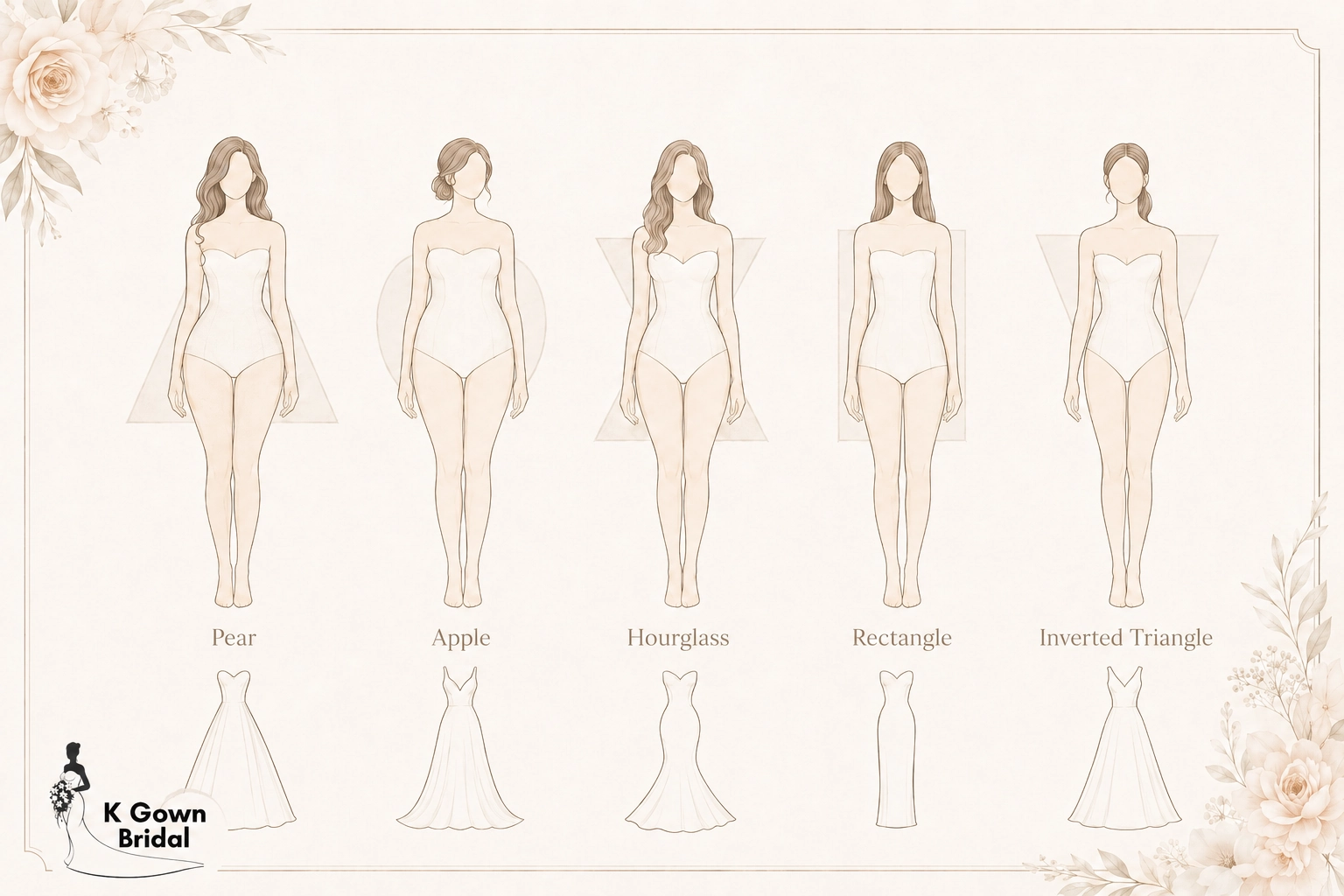
Pear Shape
A pear-shaped figure generally has hips that appear wider than the shoulders or bust, often with a more defined waist.
The styling goal does not have to be “hiding” the hips. Instead, many brides choose gowns that create visual balance between the upper and lower body.
Apple Shape
An apple-shaped figure tends to carry more visual volume around the upper torso or midsection, with a waist that may be less defined.
Structured bodices, clean vertical lines and carefully positioned waistlines can help create a more balanced silhouette.
Hourglass Shape
An hourglass figure usually has relatively balanced shoulders or bust and hips with a noticeably defined waist.
Many fitted wedding dress silhouettes naturally follow these proportions, although brides can choose either to emphasise their curves or create a softer shape.
Rectangle or Athletic Shape
With a rectangle or athletic figure, the shoulders, waist and hips may have relatively similar widths.
Wedding gowns with waist definition, structured bodices, draping or skirt volume can add more dimension to the silhouette.
Inverted Triangle Shape
An inverted triangle figure generally has shoulders that appear wider than the hips.
A gown with additional movement or volume below the waist can create visual balance, while neckline choice can either soften or intentionally highlight the shoulder line.
These labels are useful for narrowing your first few options, but they should never determine what you are “allowed” to wear.
Best Wedding Dress for a Pear-Shaped Body
For pear-shaped brides, A-line and ball gown wedding dresses are excellent silhouettes to try first. Both can define the waist while creating a smooth line over the hips. Necklines such as sweetheart, square or off-shoulder can also draw visual interest toward the upper body.
A-Line Wedding Dress
An A-line gown is fitted around the bodice before gradually widening toward the hem.
Because the transition from waist to skirt is gentle rather than dramatic, an A-line silhouette can create balanced proportions without hiding your natural shape.
It is also one of the most versatile bridal silhouettes, making it a useful starting point if you are not yet sure which style suits you.
Ball Gown
A ball gown has a fitted bodice combined with a fuller skirt.
The contrast can emphasise the waist and create a classic bridal silhouette. It is particularly worth trying if you want more drama for an Actual Day ceremony or ballroom reception.
Can Pear-Shaped Brides Wear Mermaid Dresses?
Absolutely.
Body-shape guides should not turn into restrictions. If you love your hips and want to emphasise them, a mermaid or fit-and-flare wedding dress may be exactly the look you want.
During your fitting, compare where the skirt begins to flare. A slightly higher or softer flare can make a surprisingly large difference to your overall proportions.
Best Wedding Dress for an Apple-Shaped Body
For an apple-shaped body, A-line gowns, empire waist dresses and structured bodices are useful silhouettes to explore. The goal is often to create a longer visual line through the torso while adding comfortable structure.
Try an A-Line Silhouette
An A-line gown creates gentle definition before flowing away from the body.
Rather than relying on a very tight waist, the overall shape creates balance through the entire dress.
Consider a V-Neckline
A V-neck creates a vertical visual line through the upper body. Depending on its depth and construction, it can help elongate the torso while drawing attention toward the face and neckline.
A softer U-neck can achieve a similar effect if you prefer more coverage.
Look at Structure, Not Just Shape
The internal construction of a wedding dress matters.
Boning, corsetry, seam placement and fabric structure can affect the way a dress supports and shapes the body just as much as whether the label says “A-line” or “ball gown”.
That is why trying the gown is much more useful than judging it on the hanger.
Best Wedding Dress for an Hourglass Body Shape
If you have an hourglass figure and want to emphasise your natural curves, mermaid and fit-and-flare wedding dresses are strong options.
Both silhouettes follow the body through the waist and hips before opening into the skirt.
Mermaid Wedding Dress
A mermaid gown tends to stay fitted further down the body before flaring dramatically.
It creates a more defined, glamorous shape and can work beautifully for brides who actively want their curves to become part of the bridal look.
Fit-and-Flare Wedding Dress
Fit-and-flare offers a similar effect but usually releases into the skirt earlier or more softly.
For some brides, this gives a good balance between showing their shape and having more freedom to walk, sit and move.
Prefer Something Softer?
An hourglass bride does not have to wear a fitted dress.
A structured A-line gown can still define the waist while creating a softer, more romantic bridal silhouette.
The question is not only, “What flatters my body?” but also, “How much do I want my dress to emphasise my shape?”
Best Wedding Dress for a Rectangle or Athletic Body Shape
For a rectangle or athletic body shape, look for wedding dresses that can create or emphasise definition through the waist.
Styles worth trying include:
- structured A-line gowns;
- fit-and-flare silhouettes;
- ball gowns;
- sheath gowns with draping;
- corset or basque-waist bodices.
Details such as ruching, layered skirts, lace placement, curved seams and architectural draping can also add dimension without requiring a very full skirt.
If you prefer a clean minimalist aesthetic, do not assume you need heavy embellishment. A well-cut satin sheath or structured gown can create shape through tailoring alone.
Best Wedding Dress for an Inverted Triangle Body Shape
Brides with broader shoulders often find that A-line gowns and skirts with more movement or volume help create balance between the shoulders and hips.
For the neckline, consider trying:
- V-neck;
- asymmetric neckline;
- one-shoulder;
- softer scoop necklines.
If your goal is to visually soften shoulder width, strong horizontal necklines may draw more attention across the shoulder line.
But that does not mean you must avoid off-shoulder gowns.
If you love your shoulders, an off-shoulder wedding dress can intentionally make them a beautiful feature of the look. Bridal styling should help you highlight or balance the features you choose—not decide which parts of your body need to be hidden.
Best Wedding Dress for Petite Brides
For petite brides, proportion is often more important than body shape alone.
A dramatic skirt, very low waistline or oversized detail can sometimes overwhelm a smaller frame, while cleaner lines can help create more visual length.
Wedding dress styles worth trying include:
- A-line;
- sheath;
- column;
- fit-and-flare with a proportionate flare;
- gowns with slightly higher waist placement.
V-necklines and uninterrupted vertical details can also create the impression of additional length.
However, petite brides do not automatically need a simple dress. Train length, skirt volume and detail can often be adjusted to better match your height.
For a deeper guide specifically covering height, venue and styling, read K Gown’s Wedding Gown Guide for Petite Brides in Singapore.
What About Curvy and Plus-Size Brides?
One important distinction is often missed in wedding dress guides:
Dress size and body shape are not the same thing.
A plus-size bride may have an hourglass, pear, apple, rectangle or inverted-triangle figure. Choosing a wedding dress based purely on the number on the label therefore tells you very little about which silhouette will suit you.
For curvier figures, pay particular attention to:
- bodice structure;
- boning and corsetry;
- bust support;
- seam placement;
- waist placement;
- fabric weight and drape;
- how the gown fits when sitting and moving.
A structured A-line, fit-and-flare or ball gown can all work beautifully depending on the proportions you want to highlight.
Most importantly, you should be able to actually try dresses that fit. It is difficult to judge a silhouette when the sample is several sizes too small or cannot sit correctly on the body.
K Gown offers a dedicated Plus-Size Wedding Gown Singapore collection for brides who want to explore appropriate silhouettes in person.
Wedding Dress Silhouette vs Body Shape
Understanding the construction of each bridal silhouette can make your fitting much easier.
| Wedding Dress Silhouette | How It Fits | Consider It If You Want To… |
|---|---|---|
| A-Line | Fitted at the bodice and gradually widens toward the hem | Balance proportions while keeping comfortable movement |
| Ball Gown | Defined bodice with a dramatically fuller skirt | Emphasise the waist and create a statement bridal look |
| Mermaid | Closely fitted through the torso and hips before flaring lower down | Highlight curves |
| Fit-and-Flare | Fitted through the body with a softer or earlier flare | Show your shape while maintaining more movement |
| Sheath | Falls relatively close to the natural body line | Create a clean, long and minimal silhouette |
| Empire Waist | Waistline sits higher, usually below the bust | Create length and allow the lower dress to fall more freely |
When comparing dresses, look beyond the silhouette name. Two A-line gowns, for example, can fit completely differently depending on their waist placement, bodice structure, fabric and skirt volume.
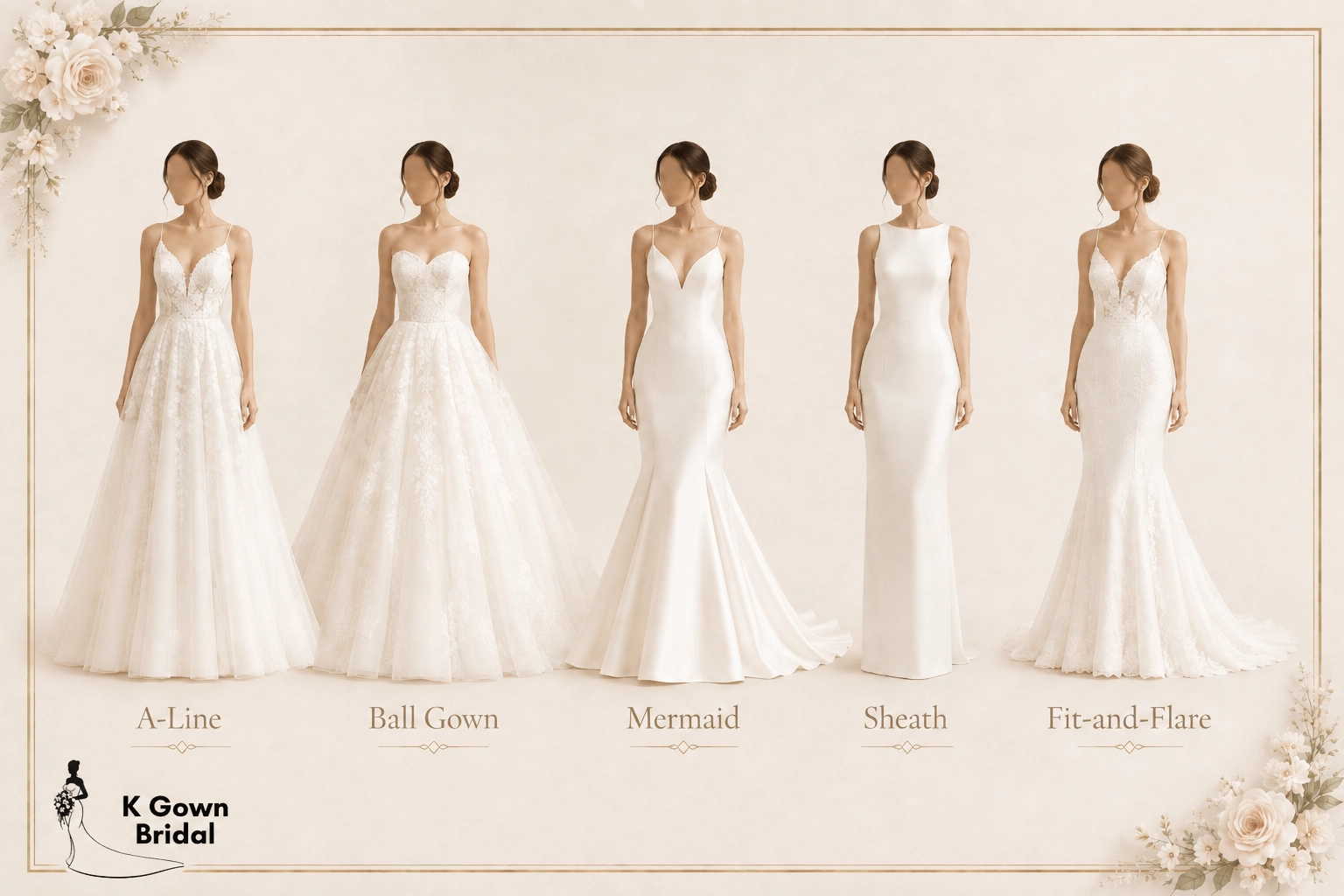
If you want to compare these silhouettes in person, K Gown’s Wedding Gown Rental Singapore service lets you begin with ready-to-wear designs before deciding whether you need additional alterations or customisation.
Don’t Choose Your Wedding Dress by Body Shape Alone
Your body shape gives you a useful starting point. It should not be the only factor behind your decision.
At K Gown, we encourage brides to consider the complete wedding context.
1. Your Height and Proportions
Two brides may both have an hourglass figure but look completely different in the same mermaid dress if one has a longer torso and the other has longer legs.
Look at the dress as one complete vertical proportion rather than focusing only on your bust, waist or hips.
2. Your Wedding Venue
A beautiful dress should also make sense for where you are wearing it.
For an intimate ROM, restaurant celebration or smaller venue, you may prefer:
- sheath gowns;
- lighter A-line silhouettes;
- shorter or more manageable trains.
For a hotel ballroom or larger ceremony, you may want:
- fuller A-lines;
- ball gowns;
- dramatic trains;
- more structured silhouettes.
Neither approach is “better”. The goal is to choose a dress that matches the visual scale and practical needs of your wedding.
3. How Much You Want to Move
Before saying yes to a wedding dress, ask yourself:
Can I sit comfortably?
Can I walk naturally?
Can I turn without constantly managing the skirt?
Can I eat comfortably?
Can I greet guests and move between tables?
Can I dance in it?
A gown may look perfect while you are standing still in front of a mirror but feel completely different after an hour of movement.
4. Singapore’s Climate
For outdoor solemnisations, garden celebrations or pre-wedding shoots in Singapore, fabric weight and construction deserve extra consideration.
Multiple heavy layers, dense beading or very structured designs may feel different outdoors compared with an air-conditioned ballroom.
If your wedding involves significant outdoor time, compare not only how gowns look but also how they feel after you have moved around in them.
How to Find Your Best Silhouette During a Wedding Dress Fitting
You do not need to identify your perfect dress before walking into a bridal studio.
A fitting is where you test your assumptions.
Step 1: Try Contrasting Silhouettes
If you have never tried wedding dresses before, start with noticeably different shapes.
For example:
A-line → Mermaid → Sheath → Ball Gown
This will teach you much more about your proportions than trying five very similar A-line gowns.
Once you know which overall shape you prefer, you can compare variations within that silhouette.
Step 2: Look at Overall Proportion
Do not inspect each body part individually.
Step back and look at the complete image:
- shoulders;
- neckline;
- waist;
- hips;
- skirt;
- train;
- total height.
The best dress usually creates a cohesive silhouette rather than making one individual feature look smaller.
Step 3: Test the Dress in Motion
Walk.
Sit.
Turn.
Raise your arms.
Look at the side and back views.
A wedding dress is clothing you will wear for hours—not just a photograph.
Step 4: Take Photos and Videos
Sometimes a dress feels very different from how it photographs.
Compare front, side and back views and, where possible, record a short video while walking. Movement can reveal whether the dress works with your proportions and venue far better than a mirror alone.
If it is your first bridal appointment, K Gown’s step-by-step wedding dress try-on guide explains how to approach your fitting more systematically.
Step 5: Choose the Silhouette Before the Details
Brides often become distracted by lace, sparkle, sleeves or embroidery before deciding whether they actually like the shape of a dress.
A useful order is:
Silhouette → neckline → waist → structure → fabric → details → accessories
Once the foundation is right, styling becomes much easier.
What If Ready-to-Wear Wedding Dresses Are Almost Right, but Not Quite?
Sometimes you find a dress with the right silhouette but one or two elements do not feel right.
Perhaps:
- you love the skirt but want another neckline;
- the bodice works but you prefer sleeves;
- the dress has the right overall shape but you want different lace;
- standard proportions do not sit where you want them to;
- you have a specific gown inspiration you cannot find ready-made.
In this situation, customisation may make more sense than continuing to search for a ready-to-wear dress containing every feature on your wish list.
At K Gown, brides who want more control over design and fit can explore our Custom Wedding Dress Singapore service.
The goal is not necessarily to reinvent an entire gown from zero. Sometimes the best starting point is simply finding the silhouette that already works for your body and then refining the details around it.
So, Which Wedding Dress Will Suit You Best?
The best wedding dress for your body shape is the one that creates the proportions you want to see while still allowing you to feel comfortable and like yourself.
Use body-shape recommendations to narrow your starting options:
- Pear: begin with A-line or ball gown.
- Apple: explore A-line, empire waist and structured designs.
- Hourglass: try mermaid or fit-and-flare if you want to emphasise curves.
- Rectangle: experiment with structure, waist definition and volume.
- Inverted triangle: consider fuller skirts and vertical or asymmetric necklines.
- Petite: pay close attention to scale and vertical proportion.
Then forget the rules for a moment and try the dress.
A silhouette you never considered may surprise you.
At K Gown Singapore, our approach is to help brides compare silhouettes on their actual bodies rather than choosing a gown purely from a body-shape chart.
If you are ready to start trying different styles, explore our Wedding Gown Catalogue or book a fitting through our Wedding Gown Rental Singapore service.
Frequently Asked Questions
What wedding dress is flattering for most body types?
An A-line wedding dress is a versatile starting point for many body shapes because it combines a fitted bodice with a skirt that gradually widens toward the hem. However, the best choice still depends on height, torso length, waist placement, personal style and how much structure or volume you prefer.
What wedding dress is best for a pear-shaped body?
A-line and ball gown wedding dresses are popular choices for pear-shaped bodies because they define the waist while creating visual balance through the skirt. Sweetheart, square and off-shoulder necklines can also draw attention toward the upper body. Brides who want to emphasise their hips can also try mermaid or fit-and-flare silhouettes.
What wedding dress is best for an apple-shaped body?
A-line gowns, empire-waist designs and dresses with structured bodices are useful options to try. V-neck and U-neck designs can also create a longer visual line through the upper body. The best result depends as much on the gown’s construction and waist placement as its basic silhouette.
What wedding dress is best for an hourglass figure?
Mermaid and fit-and-flare wedding dresses naturally follow an hourglass figure and can highlight the waist and curves. A structured A-line is another good option if you want to define your waist while creating a softer silhouette.
What wedding dress can make a petite bride look taller?
Sheath, column and well-proportioned A-line gowns can create a longer visual line. V-necklines, higher waist placement and uninterrupted vertical details may also help. Petite brides should pay particular attention to skirt volume and train length so that the dress remains proportionate to their height.
What wedding dress works well with broad shoulders?
If you want to visually balance broad shoulders, try an A-line or fuller skirt combined with V-neck, asymmetric or one-shoulder styling. However, an off-shoulder gown can be beautiful if you prefer to intentionally highlight your shoulders rather than minimise them.
Do I need to know my body shape before trying wedding dresses?
No. Knowing your approximate body shape can help narrow your starting options, but it is not necessary before your appointment. Comparing different silhouettes during a bridal fitting is often the fastest way to understand what works with your individual proportions, height and styling preferences.